
Mitigating climate change and restoring the atmosphere to its pre-industrial composition is one of the greatest challenges of our time. While much focus is placed on reducing emissions on land, the ocean offers a massive and potent opportunity for atmospheric cleanup through ocean restoration. Here, we explore how restoring the ocean’s health can draw down billions of tons of carbon dioxide, ultimately cleaning our atmosphere and stabilizing the global climate.
Understanding The Climate Challenge
Our atmosphere is currently overburdened with greenhouse gases (GHGs), primarily carbon dioxide, resulting from human activity since the Industrial Revolution. This excess carbon acts like a blanket, trapping heat and causing global temperatures to rise. To prevent the worst impacts of climate change, we must not only stop emissions but also actively remove the CO2 already in the atmosphere – a concept known as carbon dioxide removal (CDR).
The Ocean As A Powerful Carbon Sink
The ocean is the Earth’s largest carbon sink, having absorbed about 30% of human-caused CO2 emissions. However, human activities, including overfishing, pollution, and climate change itself, have degraded ocean ecosystems, reducing their capacity to store carbon and threatening their overall health. Restoring these critical ecosystems is crucial for maximizing the ocean’s carbon removal potential.
Blue Carbon: The Power of Mangroves, Seagrasses, and Salt Marshes
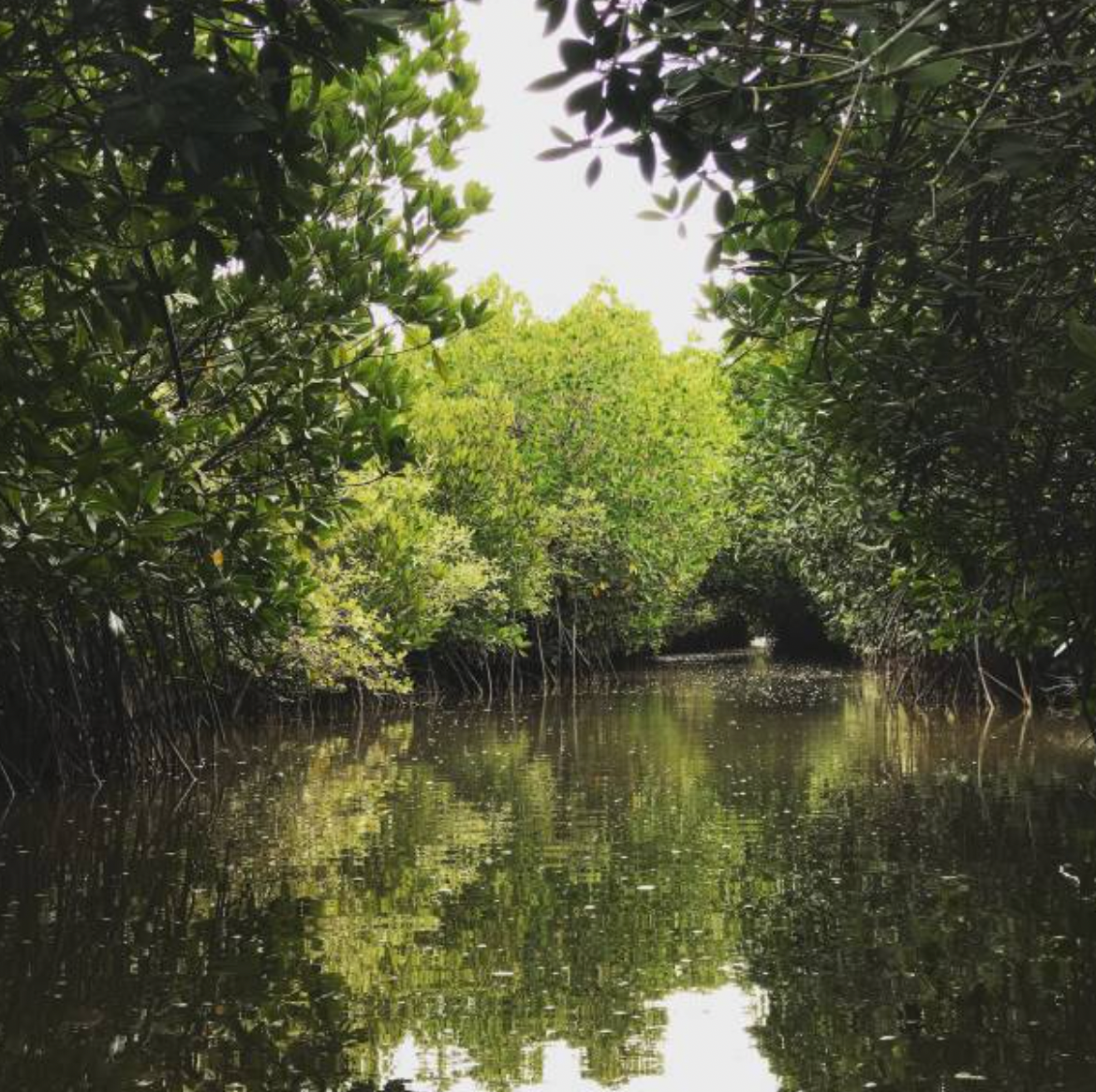
Mangroves, seagrass meadows, and salt marshes, collectively known as ‘blue carbon’ ecosystems, are highly effective carbon sequesterors. These coastal habitats absorb vast amounts of CO2 from the atmosphere through photosynthesis and store it in their biomass and underlying soil. In fact, blue carbon ecosystems can store carbon at a rate up to ten times faster than mature tropical forests. Restoring and protecting these habitats offers a significant opportunity for atmospheric carbon removal.
Macroalgae: A Rapidly Growing Solution
Kelp and other large seaweeds (macroalgae) are incredibly fast-growing and efficient at absorbing carbon. As they grow, they take up dissolved CO2 from the water, which in turn draws more CO2 from the atmosphere. To permanently sequester this carbon, macroalgae can be farmed and then strategically sunk into the deep ocean, where the carbon remains stored for centuries. Expanding kelp farming and restoring degraded kelp forests can substantially boost the ocean’s role as a carbon sink.
Large-Scale Ocean Restoration For Maximum Impact
While coastal ecosystems are invaluable, achieving atmospheric restoration requires larger-scale interventions across the open ocean. These strategies aim to enhance the ocean’s natural processes for carbon sequestration.
Ocean Iron Fertilization
Iron is a crucial micronutrient for the growth of phytoplankton, tiny marine plants that form the base of the ocean’s food web and absorb CO2 during photosynthesis. In many parts of the ocean, a lack of iron limits phytoplankton growth. Ocean iron fertilization involves adding small amounts of iron to these ‘high-nutrient, low-chlorophyll’ (HNLC) zones to stimulate massive phytoplankton blooms. As these phytoplankton die and sink to the deep ocean, they carry captured carbon with them, effectively locking it away for centuries. While this approach holds significant promise for large-scale carbon removal, it also presents potential ecological risks that require careful scientific study and governance.
Enhanced Rock Weathering (Ocean Alkalinity Enhancement)
Rock weathering is a natural geological process that consumes CO2. When alkaline minerals, like magnesium and calcium silicates, weather on land and run off into the ocean, they increase the ocean’s alkalinity, enabling it to absorb more CO2 from the atmosphere and lock it away. Accelerated weathering involves grinding these minerals and spreading them over vast areas of the ocean surface or coastal zones to enhance this natural process. This method not only removes carbon but also helps combat ocean acidification, making it a dual-benefit solution.
Restoring Great Whale Populations
Whales, particularly great whales like blue, fin, and humpback whales, play an underappreciated role in the ocean’s carbon cycle. Whales act as enormous nutrient pumps, feeding in nutrient-rich deep waters and excreting waste near the surface, stimulating phytoplankton growth. When whales die and sink to the ocean floor, the carbon in their massive bodies is sequestered for centuries. Restoring whale populations to pre-whaling levels can significantly increase the ocean’s carbon removal capacity, demonstrating that biodiversity and climate solutions go hand-in-hand.
Navigating The Path Forward: Opportunities And Challenges
While ocean restoration holds immense promise for restoring our atmosphere, navigating the associated challenges is critical for success.
Addressing Ethical And Environmental Concerns
Many large-scale ocean restoration strategies involve active intervention in complex marine ecosystems. Research must rigorously assess potential side effects, such as impacts on biodiversity, food webs, and nutrient cycling, to ensure that these solutions do not inadvertently harm the ocean. Robust regulatory frameworks and international cooperation are essential to ensure the responsible deployment of these technologies.
Scaling Up And Financing
Transitioning from pilot projects to global-scale implementation will require massive investment in research, infrastructure, and technology. Developing innovative financing mechanisms, such as blue carbon credits and dedicated ocean restoration funds, will be crucial to unlock the necessary capital and make these solutions economically viable.
Restoring the atmosphere is a multifaceted challenge that requires a holistic approach, where ocean-based solutions work in tandem with land-based carbon removal and deep emission cuts.
A Resilient Ocean For A Stable Climate
Restoring the atmosphere to its pre-industrial state is an ambitious goal, but one that is achievable by harnessing the power of the ocean. By protecting blue carbon ecosystems, expanding kelp farming, and responsibly developing large-scale strategies like iron fertilization and enhanced rock weathering, we can turn the tide on climate change. Investing in a healthy, resilient ocean is not just an environmental imperative; it is fundamental to the future of humanity and all life on Earth. Let us embrace the ocean’s potential and work together to restore our planet’s atmosphere.


