
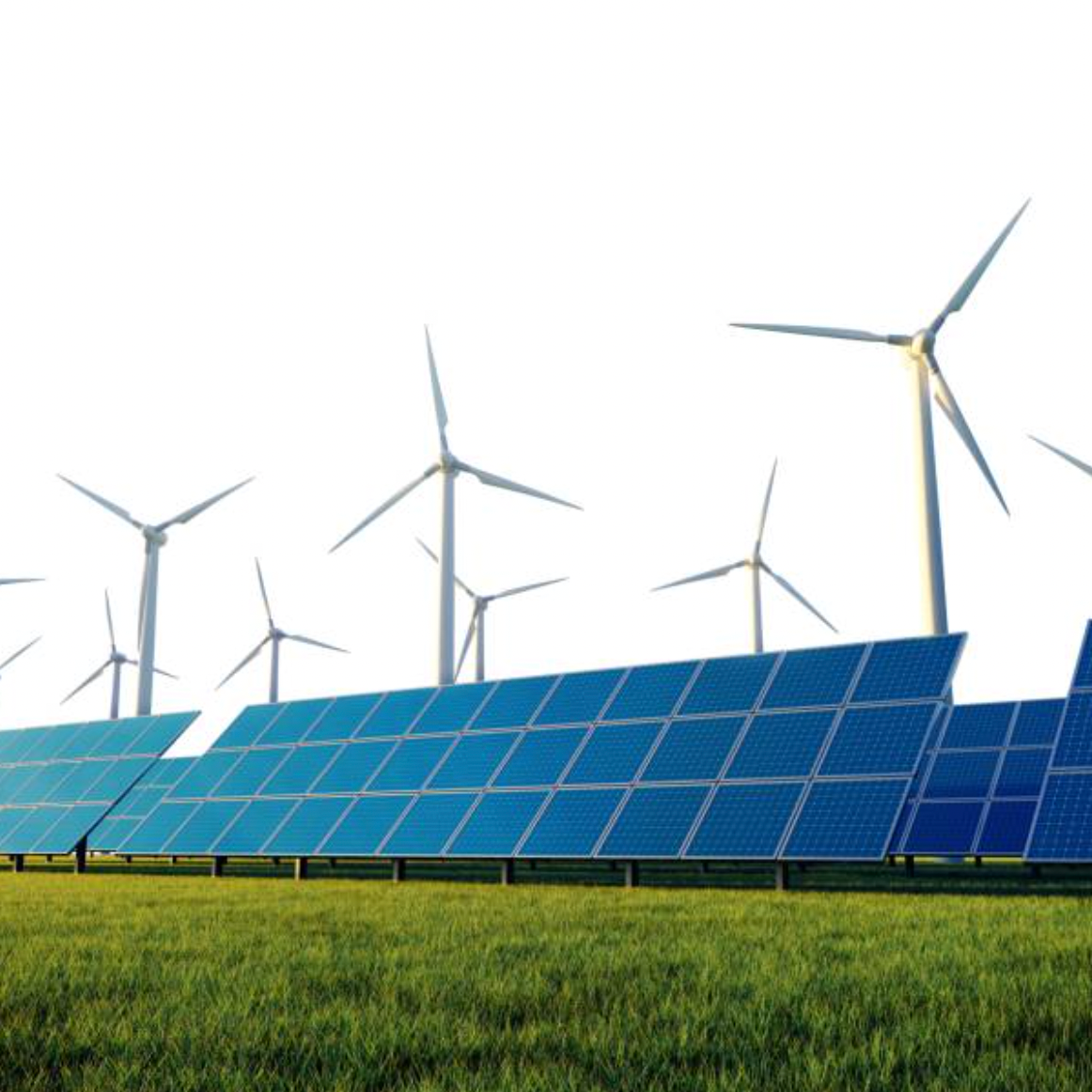
To build a truly sustainable future, we must change how we power every aspect of our lives, from the electricity in our living rooms to the fuel in private jets. While fossil fuels have dominated the energy landscape for a century, they are not the only option.
We can access powerful, abundant natural resources that do not involve crude oil, coal, or natural gas and will not add to greenhouse gas emissions.
This article provides a comprehensive list of these clean, sustainable energy resources.
Solar Energy: Power From The Sun
Solar energy is the most abundant clean energy resource on Earth. The amount of sunlight that strikes the Earth’s surface in just an hour and a half is enough to power the entire world’s consumption for a full year.
How It Works
We harness the sun’s energy using two primary technologies:
• Photovoltaics (PV): Solar panels, like those seen on rooftops, convert sunlight directly into electricity using semiconductor materials.
• Concentrated Solar Power (CSP): These facilities use mirrors to concentrate sunlight onto a small area, creating intense heat that drives traditional steam turbines to generate electricity.
Key Applications
• Homes and Commercial Buildings: Rooftop solar panels provide electricity, reduce utility bills, and can be paired with battery storage.
• Industrial Plants: Large-scale solar farms can power factories and high-demand industrial processes.
• Transportation: While direct solar-powered cars exist primarily as prototypes, solar energy charges the batteries of electric vehicles (EVs).
Environmental Impact
Zero greenhouse gas emissions are produced during operation.
Wind Energy: The Power Of Moving Air
Wind energy has been used for millennia and has evolved into one of the world’s fastest-growing and lowest-cost sources of electricity.
How It Works
Wind turbines capture the kinetic energy of moving air and convert it into rotational energy. This rotation turns a generator, creating electricity. Turbines can be placed on land (onshore wind) or in bodies of water (offshore wind), where winds are often stronger and more consistent.
Key Applications
• Grid Electricity: Large wind farms generate massive amounts of power to support the electric grid, supplying homes and businesses.
• Localized Power: Smaller, individual turbines can power remote communities, farms, or individual industrial sites.
Environmental Impact
Zero greenhouse gas emissions are produced during operation.
Hydropower: Power From Flowing Water
Hydropower is currently the largest source of renewable electricity globally, harnessing the enormous energy of moving water.
How It Works
• Dams: Traditionally, large dams store water in a reservoir. When released, the water flows through turbines, spinning generators.
• Run-of-the-River: These systems use the natural flow of a river without a large reservoir, diverting a portion of the water through turbines.
• Pumped-Storage: This acts like a giant battery, pumping water uphill to a reservoir when electricity is abundant and releasing it to generate power when demand is high.
Key Applications
• Base Load Power: Hydropower provides a consistent, reliable source of electricity for the main grid.
• Factory Operations: Many industrial zones have historically been located near major hydroelectric facilities for cheap, abundant power.
Environmental Impact
Zero greenhouse gas emissions are produced during operation, though large dam projects can have significant ecosystem impacts.
Geothermal Energy: Heat From The Earth’s Core
Geothermal energy taps into the constant, reliable heat emanating from the Earth’s core. Unlike solar and wind, it is available 24 hours a day, 365 days a year.
How It Works
• Power Plants: In regions with significant geothermal activity (like Iceland or parts of the US), wells are drilled to pump hot water or steam to the surface. This steam directly turns turbines to generate electricity.
• Heat Pumps: Geothermal heat pumps use the stable temperature just below the Earth’s surface to provide highly efficient heating and cooling for buildings.
Key Applications
• Heating and Cooling: Ideal for residential and commercial heating, cooling, and hot water systems.
• Constant Electricity: Geothermal plants provide reliable base-load power for the grid.
Environmental Impact
Extremely low greenhouse gas emissions during operation.
Marine Energy: Power From The Tides And Waves
The ocean is a vast, largely untapped source of renewable energy. Marine energy technologies are still maturing but offer predictable, powerful energy potential.
How It Works
• Tidal Energy: Harnesses the energy from the predictable rise and fall of ocean tides. Turbines are placed in tidal currents, much like wind turbines are placed in air currents.
• Wave Energy: Converts the kinetic energy of surface ocean waves into electricity using various devices that bob, sway, or submerge.
Key Applications
• Grid Electricity: Can provide extremely predictable renewable energy to coastal communities and the broader grid.
• Desalination: Can power ocean water desalination plants to create fresh water.
Environmental Impact
Zero greenhouse gas emissions are produced during operation.
Advanced Resources: Solutions For Hard-to-Electrify Sectors
Some sectors, like aviation (including private jets) and high-heat manufacturing, cannot be easily powered by electricity alone. These advanced clean resources offer solutions.
Nuclear Energy: The Power Of The Atom
While not a “renewable” resource in the traditional sense, nuclear energy is a powerful, zero-emission source of electricity.
• How It Works: Nuclear power plants use nuclear fission (splitting atoms, usually uranium) to generate immense heat, which produces steam to drive turbines.
• Application: Provides scalable, reliable, and constant base-load power for the electrical grid.
• Environmental Impact: Zero greenhouse gas emissions during operation.
Green Hydrogen
Green hydrogen is not a primary energy source itself but an energy carrier that can store and transport clean energy.
• How It Works: Created by using renewable electricity (from solar or wind) to split water molecules (H₂O) into hydrogen and oxygen through a process called electrolysis.
• Application: It can be used as a fuel for heavy industry (like steel making), long-haul trucking, and ship propulsion. It can also serve as the basis for zero-emission aviation fuel.
• Environmental Impact: When produced from renewable electricity, it has zero greenhouse gas emissions from production to end-use.
Sustainable Aviation Fuels (SAF)
For airplanes and private jets that require high-density liquid fuel, Sustainable Aviation Fuels are a critical short-to-medium-term solution.
• How It Works: SAF is produced from non-fossil, sustainable feedstocks. This can include agricultural waste, municipal solid waste, and even carbon captured from the atmosphere, combined with green hydrogen (these are known as e-fuels or power-to-liquids).
• Application: SAF can be blended with traditional jet fuel or used as a 100% replacement in existing aircraft engines, requiring no modifications.
• Environmental Impact: SAF results in a dramatic reduction in lifecycle CO₂ emissions compared to conventional jet fuel. When produced via e-fuel pathways using captured carbon, the emissions can be near zero.


