
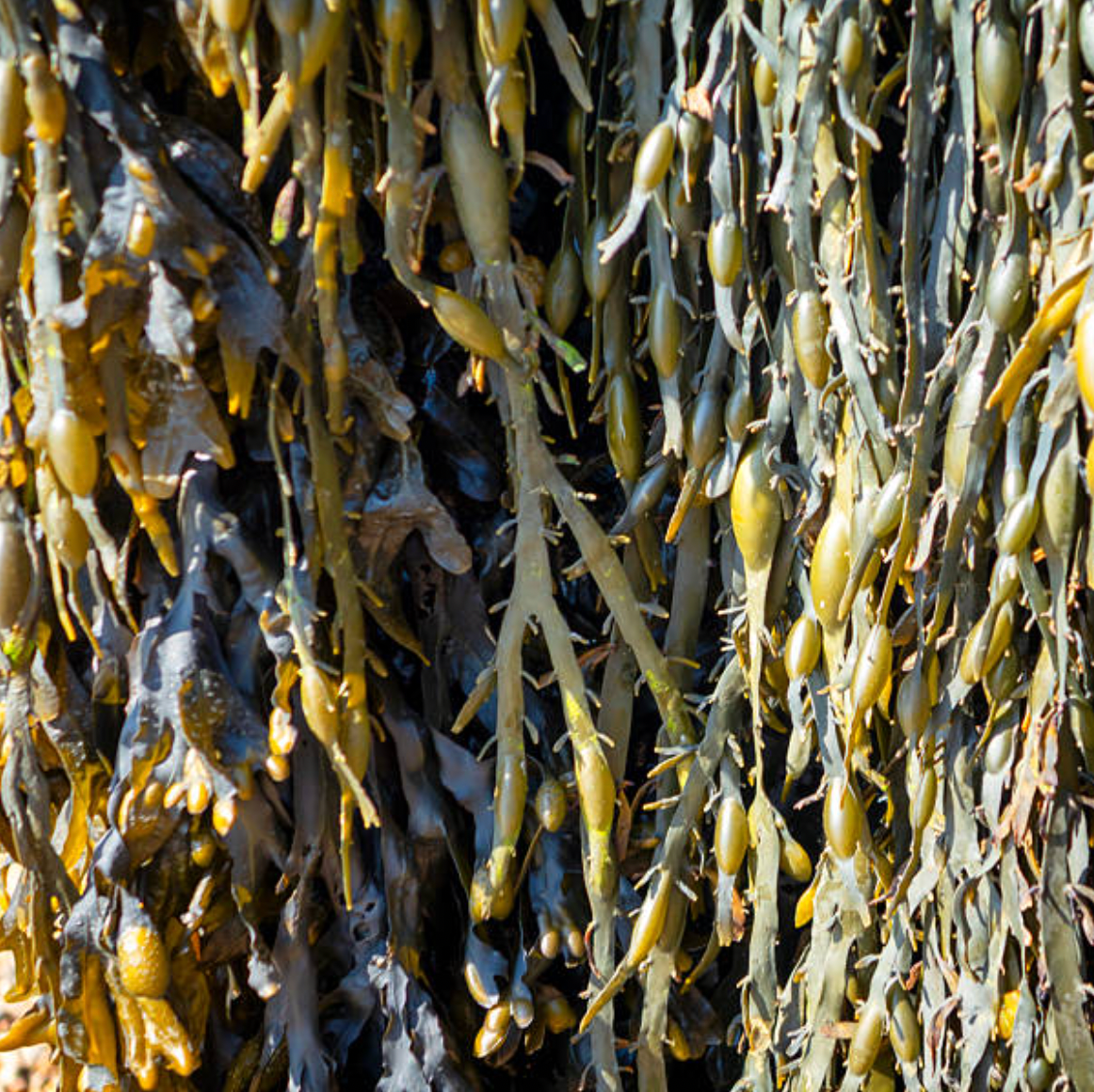
The term “waste” is a failure of imagination. In a truly circular economy, every environmental challenge is simply a raw material waiting for the right technology. Brown Tide (Aureoumbra lagunensis)—the algae blooms that cloud our lagoons and threaten marine life- is a prime example. Instead of treating these blooms as a pollution event to be mitigated, we are now viewing them as a massive, unsolicited harvest of high-value bio-nutrients.
By shifting our perspective from “treatment” to “harvesting,” we can turn a coastal disaster into a sustainable engine for agriculture, energy, and green manufacturing.
Mining The Bloom: How Brown Tide Becomes A Resource
Brown tide occurs when an excess of nitrogen and phosphorus enters our waterways. The algae act as natural “sponges,” soaking up these nutrients and concentrated carbon. When we harvest the bloom, we are essentially performing environmental mining, extracting escaped nutrients and returning them to the industrial loop.
1. From Sea To Soil: Bio-nutrients For Agriculture
The most immediate application for harvested brown tide is in the field of regenerative farming. Because the algae are naturally rich in organic nitrogen, they serve as a potent alternative to synthetic, fossil-fuel-based fertilizers.
• Liquid Biostimulants: Through cold-pressing or enzymatic hydrolysis, the algae are converted into foliar sprays. These don’t just “feed” the plant; they contain natural phytocomplexes that trigger the plant’s own immune system, helping crops survive the extreme heat and droughts common in 2026.
• Carbon-Rich Soil Pellets: The dried biomass can be pressed into slow-release pellets. This creates a “closed-loop” nitrogen cycle where the nutrients that originally ran off the land are captured in the water and returned to the soil.
High-Value Upcycling: Beyond Basic Fertilizer
While fertilizer is a foundational product, the unique chemical makeup of Aureoumbra lagunensis allows for the creation of sophisticated, high-margin materials.
2. Marine-Safe Bioplastics (PHA)
One of the most exciting breakthroughs in circular chemistry is the use of the algae’s exocellular polysaccharide layer. This “sugary” coating is an ideal feedstock for specialized bacteria that produce PHA (Polyhydroxyalkanoates).
• The Benefit: Unlike traditional plastics, PHA made from brown tide is 100% marine-biodegradable. We are effectively using a marine “pest” to create a solution for marine plastic pollution.
3. Sustainable Pigments and Antioxidants
The distinct brownish-gold hue of the tide comes from a rare pigment called 19′-butanoyloxyfucoxanthin.
• Natural Dyes: This can be extracted as a sustainable, non-toxic colorant for the textile and food industries, replacing synthetic dyes derived from petrochemicals.
• Restorative Health: Fucoxanthins are highly valued in the nutraceutical industry for their intense antioxidant properties, making them a “hero ingredient” in restorative supplements.
Powering the Future: Bio-Crude and Green Fuels
When a bloom reaches peak density, the cells often enter a lipid-rich (oily) stage. In a circular refinery, this “waste” becomes a carbon-neutral energy source.
4. Hydrothermal Liquefaction (HTL)
Rather than using energy-intensive drying processes, we use Hydrothermal Liquefaction to process “wet” algae directly. This “pressure-cooking” method transforms the entire biomass into bio-crude oil. This oil is then refined into:
• Sustainable Aviation Fuel (SAF)
• Green Diesel for local shipping fleets
The 2026 Outlook: The “Great Harvest”
The transition from “disaster” to “raw material” depends on infrastructure. We are seeing the rise of Autonomous Algae Skimmers—solar-powered barges that patrol coastlines to harvest blooms at their nutrient peak. This prevents the algae from dying and sinking, which usually causes fish kills, and instead captures the value before it becomes a liability.
In a circular economy, we don’t just “clean up” the environment; we harvest it for a better future. The Brown Tide is no longer a sign of decay; it is the next frontier of blue gold.


