
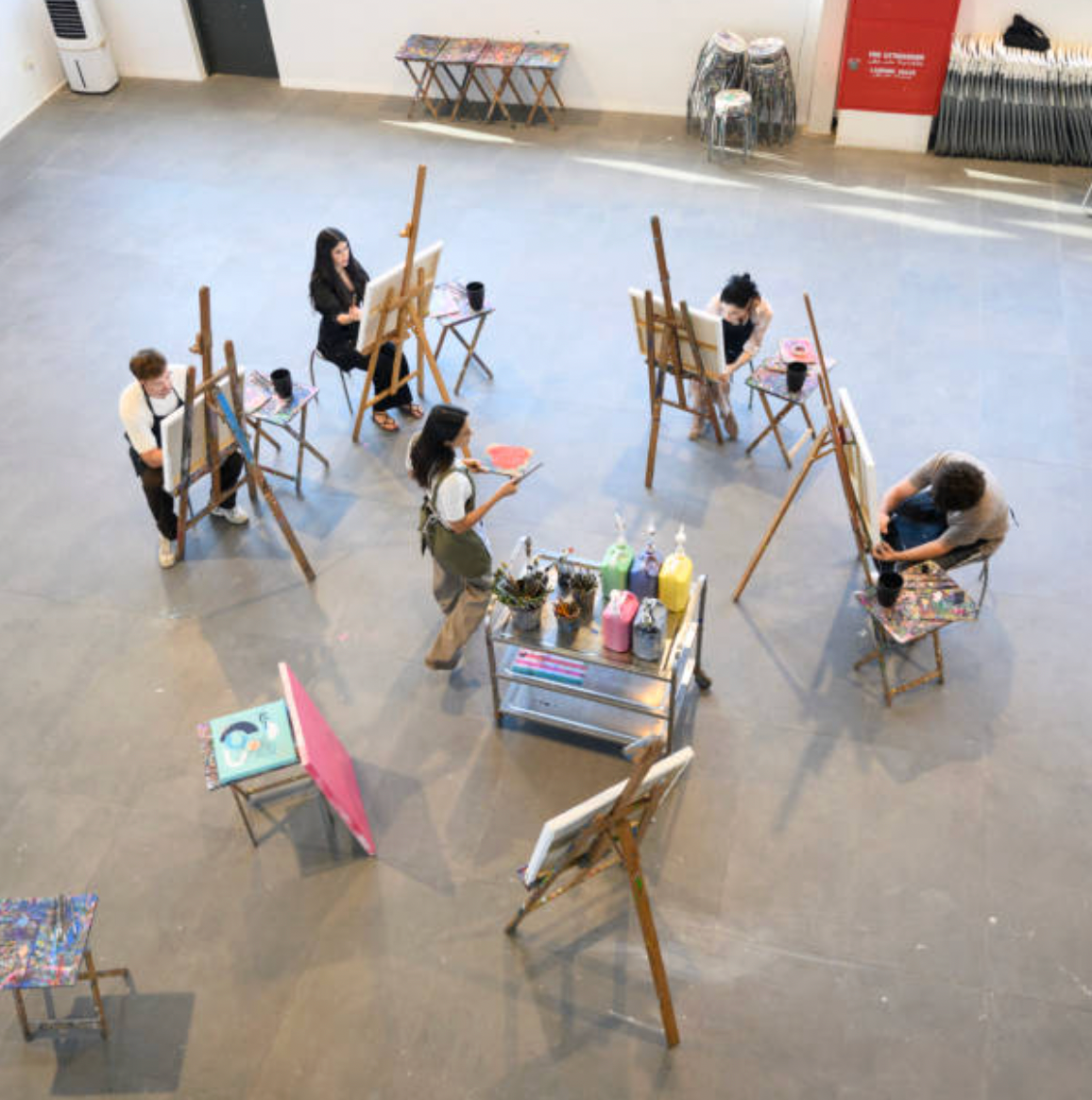
When we think about economic growth, our minds usually jump to tech startups, manufacturing plants, or financial markets. We rarely picture a painter in a studio, a local theater troupe preparing for opening night, or a novelist drafting their next book. Yet, the creative arts are far more than a cultural bonus, they are a powerful, untapped economic engine.
Building a resilient creative arts industry across visual, literary, and performance arts does more than support artists. By intentionally connecting creativity to booming sectors like entertainment, tourism, wellness, and hospitality, we can revitalize local economies, create sustainable jobs, and build a diverse, future-proof workforce.
Unifying The Pillars Of Creative Expression
To build a strong foundation, we first need to recognize how visual, literary, and performance arts interconnect. Too often, these fields operate in silos. Visual artists showcase work in galleries, writers publish books for bookstores, and performers tread the boards in traditional theaters.
True resilience happens when these disciplines cross-pollinate. Imagine a multimedia performance art piece that incorporates live painting, spoken-word poetry, and theatrical staging. By breaking down barriers between the visual, literary, and performance sectors, we multiply opportunities for collaboration, broaden audience appeal, and make the entire creative ecosystem much stronger.
Expanding Beyond The Canvas: Cross-Industry Impact
Art does not have to live exclusively in a museum, library, or concert hall. When artists cross over into other commercial sectors, they bring fresh ideas that drive innovation and revenue.
The Entertainment Industry: Visual and literary concepts form the bedrock of blockbuster films, video games, and streaming series. Concept artists, screenwriters, and stage designers provide the intellectual property and visual flair that power global entertainment.
The Tourism Industry: Cultural tourism is a massive economic driver. Travelers flock to cities known for vibrant murals, historic theaters, independent bookstores, and local festivals. Investing in local arts gives tourists a unique reason to visit, stay longer, and spend money.
The Wellness Industry: The therapeutic benefits of art are undeniable. Creative writing workshops, community theater for mental health, and visual arts therapy are increasingly integrated into wellness retreats, hospitals, and corporate stress-reduction programs.
The Hospitality Industry: Hotels, restaurants, and cafes are waking up to the power of design. Incorporating local visual art, hosting intimate live music sets, or featuring poetry readings transforms a standard hospitality venue into an immersive cultural destination.
Investing In Creativity As Economic Infrastructure
For the creative sector to act as a true economic catalyst, public and private sectors must stop viewing arts funding as charity and start viewing it as essential infrastructure.
When we invest in art studios, community performance centers, and literary grants, we are investing in job creation. Every dollar spent on the arts ripples outward: it pays the carpenter building the stage, the cafe owner hosting the art-loving crowd, and the technician running the lighting grid. This localized spending stimulates communities from the ground up, proving that a thriving arts scene is a direct indicator of economic vitality.
Conclusion: A Blueprint For A Vibrant Future
A resilient economy requires diversity, adaptability, and imagination, qualities that artists embody every single day. By weaving the creative arts into the fabric of tourism, entertainment, wellness, and hospitality, we create a multi-faceted economy where culture and commerce mutually support one another. Supporting creators is not just a way to enrich our souls; it is a smart, strategic investment in a prosperous future for all.
What is one local creative project or venue in your community that you think could collaborate more with local businesses?


