
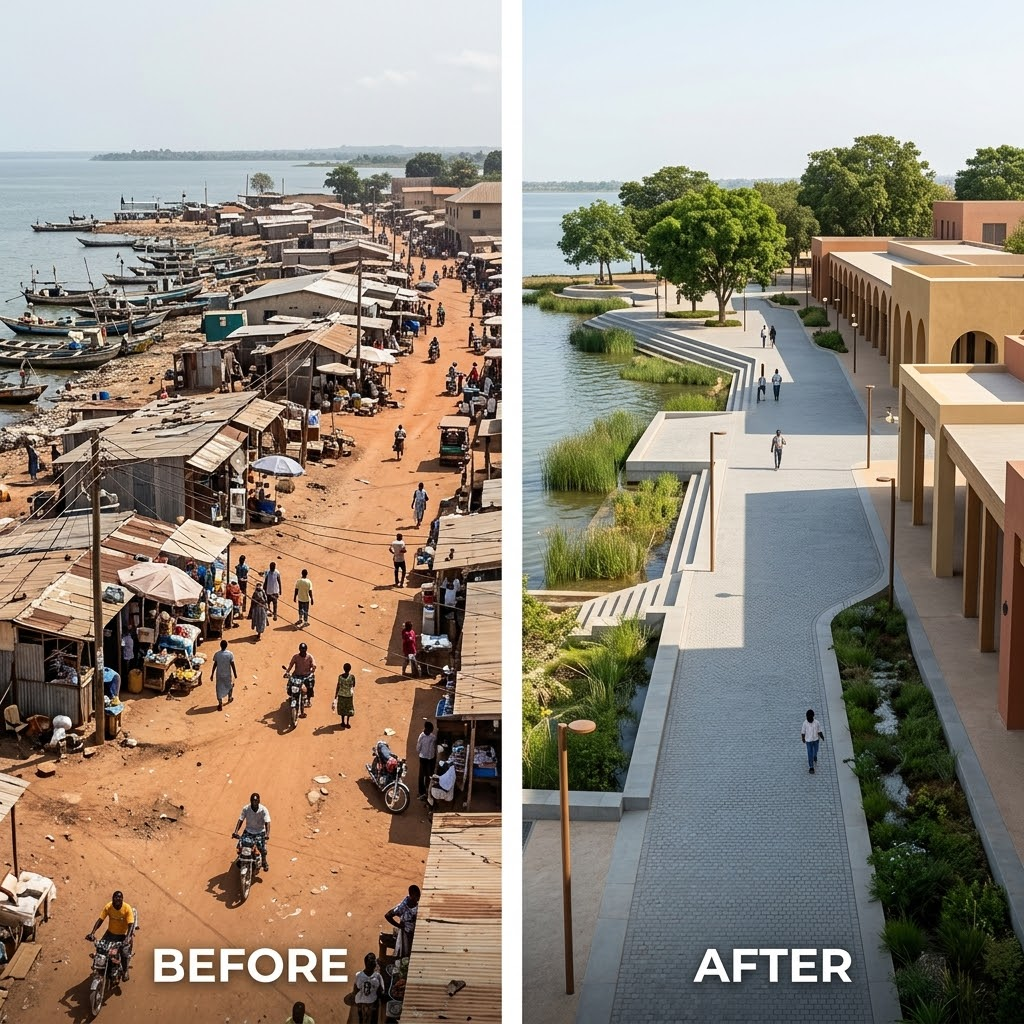
Abandoned municipalities do not suffer from a lack of potential; they suffer from a lack of connection. When a town falls quiet, the traditional engines of growth, centralized manufacturing, top-down funding, and heavy infrastructure, often pull away. Turning these regions around requires looking at what is already there: the people living in the region and the physical materials surrounding them.
By taking a localized approach to talent, manufacturing, environmental restoration, and civic finance, we can transform abandoned spaces into resilient, thriving communities.
Unlocking Human Potential Through Innate Soft Skills
Economic recovery begins with human capability. Instead of forcing a workforce to adapt to outdated industry molds, a successful revitalization strategy helps residents identify and apply the soft skills they already possess.
Analytical Skills: Individuals who excel at pattern recognition, organization, and logic are guided toward careers in local logistics, municipal data management, system design, and quality control.
Interpersonal Skills: Natural communicators and networkers transition into leadership roles, community outreach, regional trade coordination, and hospitality.
Empathetic Skills: People with high emotional intelligence form the backbone of the community’s social infrastructure, driving care industries, restorative justice, youth development, and healthcare support.
Trade Skills: Hands-on problem solvers apply practical spatial and mechanical reasoning directly to local construction, equipment maintenance, and structural repair.
Creative Skills: Designers, storytellers, and visual thinkers build the cultural identity of the renewed municipality, shaping local products, urban spaces, and media.
By mapping these natural talents to real-world roles, the community builds an adaptable, highly motivated workforce from within.
Decentralized Micro-Factories And Waste-to-Value Manufacturing
Traditional industrial models rely on mass shipping raw materials to massive centralized plants. A localized economy flips this model by identifying regional “waste” streams and processing them directly at the source.
Abandoned regions often contain an abundance of unused materials, demolition debris, agricultural waste, discarded textiles, or industrial byproducts. Instead of letting these collect in landfills or export them for pennies, we invest in small-scale, decentralized micro-factories built adjacent to these material sources.
These micro-factories convert local waste into essential goods for the residents, such as modular building supplies, tools, furniture, and energy. Any surplus inventory is traded with neighboring regions, generating external revenue that flows straight back into the local economy.
Building Carbon-Absorbing Sponge Cities For Long-Term Resilience
Physical infrastructure must serve both the human population and the surrounding ecosystem. Revitalization requires dismantling traditional concrete layouts and replacing them with climate-resilient urban design.
Sponge City Design: Pervious pavements, rain gardens, engineered wetlands, and bioswales are integrated throughout the municipality. Instead of suffering from runoff and flooding, the city absorbs, filters, and stores rainwater for local agricultural and domestic use.
Carbon-Absorbing Infrastructure: Buildings and public spaces are built or retrofitted using carbon-negative materials, such as hempcrete, bio-char concrete additives, and mass timber. High-density urban greenery actively pulls carbon from the atmosphere.
Biodiversity Corridors: Native plant networks and protected wildlife paths are woven into the streetscapes, restoring local ecosystems and improving human mental well-being.
This approach creates a clean, biologically rich environment that lowers municipal maintenance costs and protects the region from extreme weather.
Fair Tax Policy And Reinvesting In Vital Infrastructure
Economic activity needs a transparent, balanced civic framework to stay sustainable. Municipal leaders play a critical role by drafting fair, predictable tax codes designed to encourage local enterprise while securing revenue for public goods.
Rather than imposing heavy burdens on small starter businesses, local tax structures focus on land value efficiency and resource usage. This allows new micro-factories and local businesses to reach financial stability quickly.
As trade and production generate income, municipal tax revenues are directly funneled into essential infrastructure: clean water systems, renewable energy grids, reliable public transit, and accessible health facilities. This loop ensures that as the regional economy prospers, public services improve proportionately, securing long-term prosperity for every resident.


