
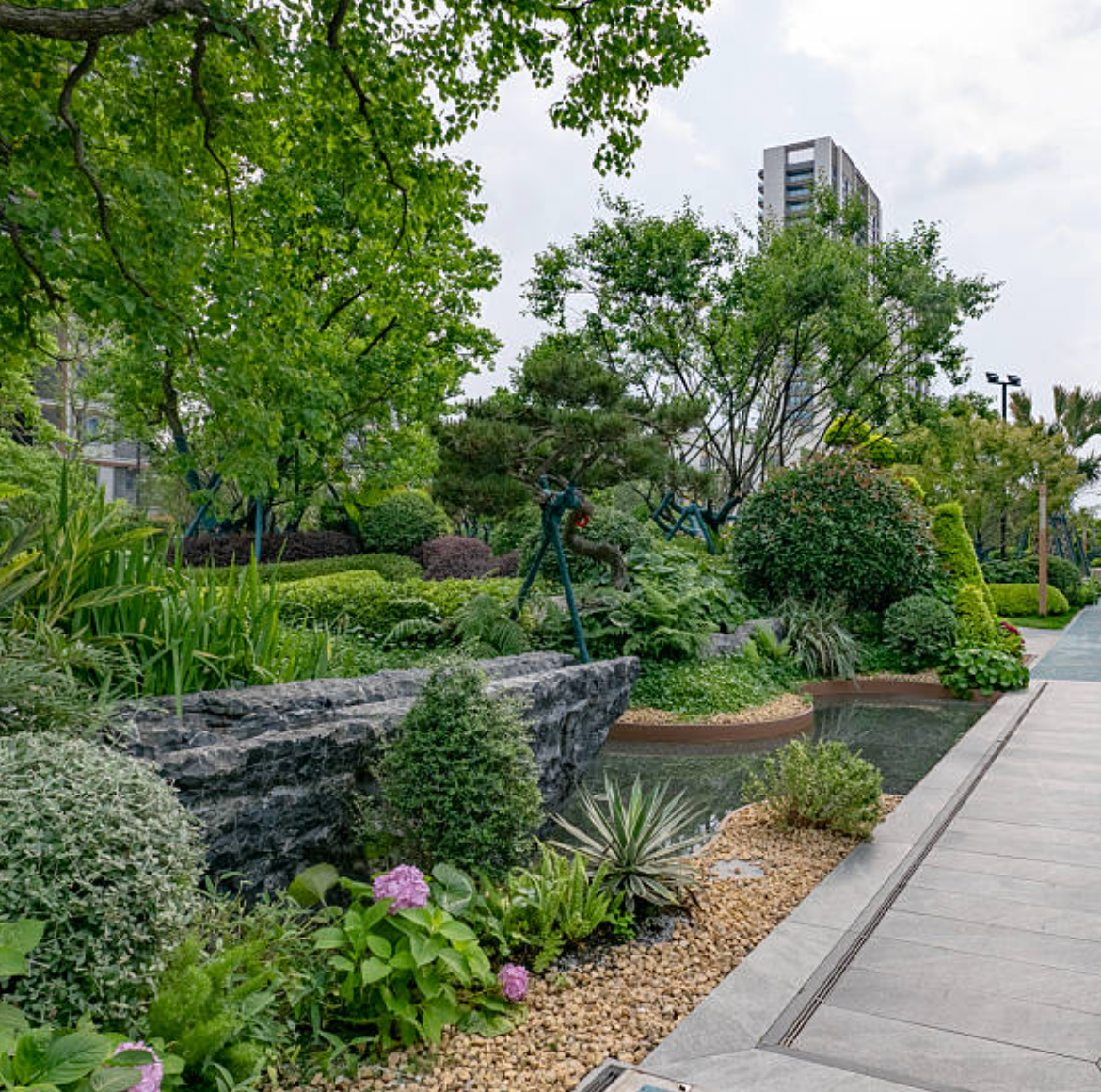
For decades, urban planning operated on a simple, destructive premise: nature had to make way for concrete. We paved over wetlands, replaced native forests with asphalt, and engineered cities to channel rainwater into sewers as quickly as possible. The result? Urban heat islands, worsening air quality, skyrocketing municipal infrastructure costs, and cities that feel increasingly disconnected from the natural world.
A quiet revolution is underway in modern urban design. Cities around the globe are realizing that nature isn’t an obstacle to development, it is our most resilient municipal infrastructure. By strategically integrating carbon-absorbing ecosystems directly into our urban grids, we can transform towns and cities into healthier, financially sound, and climate-resilient places to live.
Here is how building natural, carbon-sinking ecosystems redefines what it means to be a thriving municipality.
1. Transforming Concrete Jungles into Urban Carbon Sinks
When people think of carbon sequestration, they usually picture vast rainforests or rural tree-planting projects. However, urban centers generate over 70% of global carbon emissions, making them the most critical target for carbon reduction.
Integrating carbon-absorbing ecosystems into cities goes far beyond planting standard park trees. It involves constructing interconnected natural systems designed to capture and hold maximum atmospheric carbon:
Urban Forests and Micro-Forests: Using techniques like the Miyawaki method, municipalities can grow dense, native micro-forests in small, unused urban lots. These dense forests grow up to ten times faster and absorb significantly more carbon than traditional city park arrangements.
Living Roofs and Vertical Greenery: Transforming rooftops and building facades into living plant systems traps carbon right at the source, absorbing local vehicle emissions before they disperse into the broader atmosphere.
Restored Wetlands and Riparian Zones: Coastal and riverside municipalities are restoring natural wetlands. Acre for acre, wetlands, often referred to as “blue carbon” sinks, can store up to five times more carbon than terrestrial forests, while simultaneously acting as natural flood barriers.
2. Slashing the Urban Heat Island Effect
Traditional paving materials absorb solar radiation during the day and re-emit it at night, creating the “urban heat island” effect. This can cause cities to be 5°F to 20°F warmer than surrounding rural areas, leading to spike in energy demand, heat-related illnesses, and stressed power grids.
Carbon-absorbing ecosystems combat heat through a natural process called evapotranspiration. Plants pull water from the soil and release it as vapor, naturally cooling the surrounding air.
A mature tree canopy acts as a living air conditioner. Cities that aggressively expand their tree cover cool down neighborhood surface temperatures, lower municipal energy usage during peak summer months, and directly save lives during extreme heat waves.
3. Natural Water Management: Beyond Pipes and Sewers
Traditional gray infrastructure, storm drains, concrete channels, and subterranean pipes, is expensive to build, costly to maintain, and easily overwhelmed by modern heavy rainfall.
Carbon-absorbing ecosystems double as “sponge city” infrastructure. Soil and plant roots naturally hold millions of gallons of water during storm events:
Bioswales and Rain Gardens: Replacing standard roadside gutters with vegetated channels filters pollutants from stormwater runoff while letting water soak naturally into local aquifers.
Floodplain Restoration: Giving rivers room to swell into restored green parks prevents destructive downtown flooding, turning potential flood disasters into vibrant public spaces.
By letting nature handle water management, cities save millions in avoided water-treatment costs and major stormwater upgrades.
4. Boosting Public Health and Community Well-Being
The benefits of carbon-absorbing ecosystems extend far beyond temperature and water control; they directly improve human health.
Urban greenery acts as a natural air filter. Leaves and plant surfaces trap harmful particulate matter, nitrogen oxides, and ground-level ozone, the leading culprits behind urban asthma and cardiovascular issues. Cleaner air means fewer hospital visits, lower municipal healthcare burdens, and healthier citizens.
The mental health impacts are equally profound. Studies consistently show that access to natural green spaces lowers cortisol (stress) levels, reduces anxiety, and encourages physical activity. Green, walkable municipalities create stronger social connections and build vibrant, active communities.
5. The Economic Case for Eco-Centric Municipalities
Investing in carbon-absorbing ecosystems isn’t an act of charity; it is sound fiscal policy.
Increased Property Values: Homes and businesses located near well-maintained green infrastructure command higher property values, generating stronger tax bases for local governments.
Reduced Maintenance Costs: Natural green infrastructure heals and strengthens itself over time, whereas concrete cracks, degrades, and requires constant funding to repair.
Local Job Creation: Designing, planting, and maintaining urban ecosystems creates local, green-collar jobs that cannot be outsourced.
The Path Forward: How Cities Can Start Today
Building a carbon-absorbing municipality does not require tearing down existing neighborhoods. It begins with shifting municipal policy and taking incremental, high-impact steps:
1. Pass Green Infrastructure Ordinances: Require new commercial developments to incorporate green roofs, permeable pavement, or native tree cover.
2. Reclaim Vacant Land: Turn abandoned lots and underutilized parking spaces into community gardens, micro-forests, or bioswales.
3. Prioritize Environmental Equity: Ensure green infrastructure is distributed evenly across all neighborhoods, especially historically under-resourced areas that suffer the most from heat and pollution.
The future of municipal planning isn’t built strictly with steel and concrete, it is grown. By embracing carbon-absorbing ecosystems, local leaders can build resilient, beautiful, and financially sustainable cities where both human communities and natural habitats thrive together.


